Washington: The United States has intensified pressure on Iran as tensions continue to rise around the Strait of Hormuz, one of the world’s most important energy and shipping corridors.
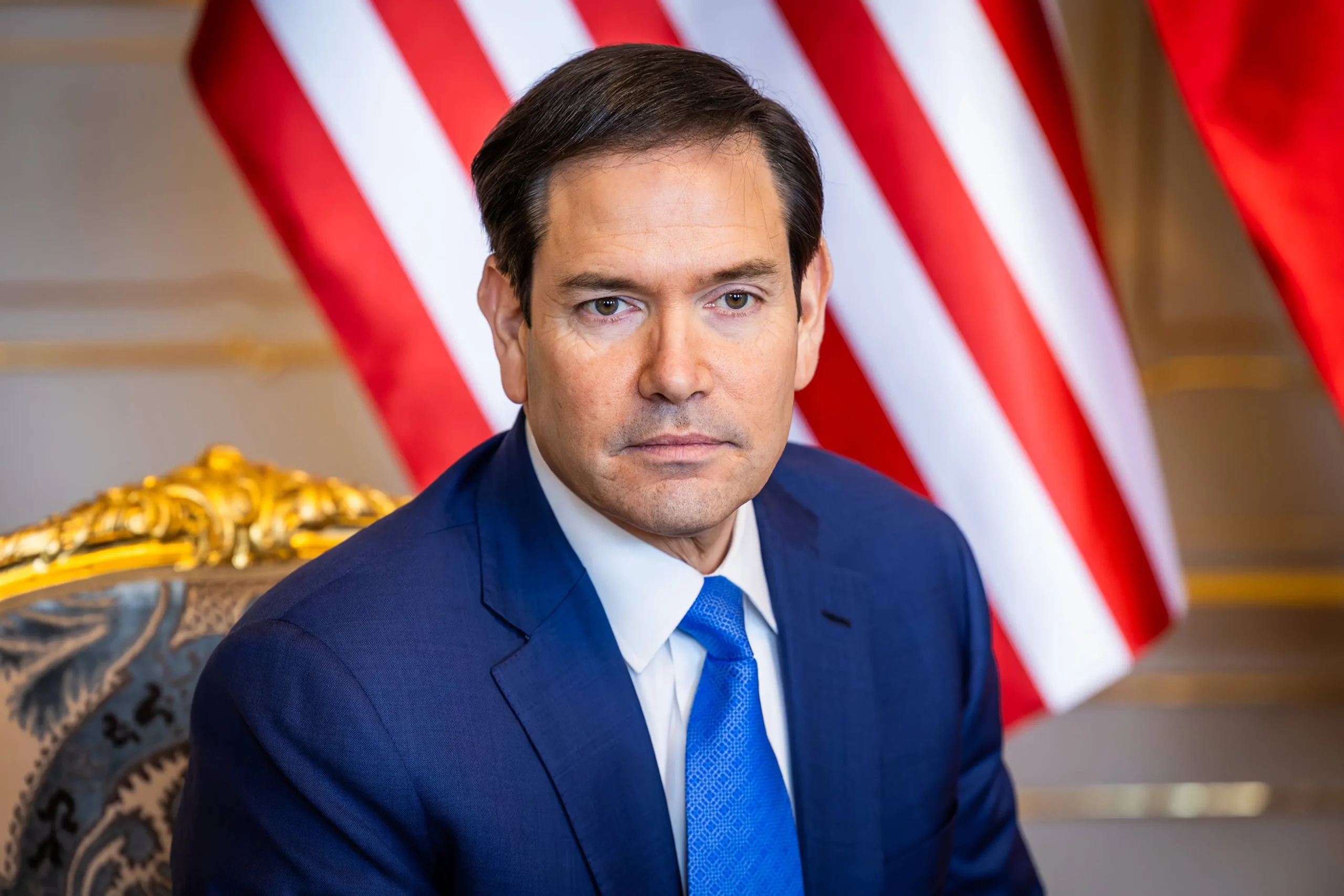
Speaking during a White House briefing, US Secretary of State Marco Rubio warned that Tehran could face deeper economic isolation and harsher sanctions if it continues activities that Washington believes threaten maritime security and regional stability.

Rubio accused Iran of interfering with commercial shipping operations in the Persian Gulf and creating risks for international trade passing through the Strait of Hormuz, a vital route that carries a significant portion of global oil exports.
According to Rubio, the Trump administration’s latest strategy — referred to as “Project Freedom” — combines military preparedness, diplomatic engagement and expanded economic pressure aimed at protecting international shipping lanes while discouraging further escalation.
He claimed the sanctions campaign was already placing increasing strain on Iran’s economy, contributing to financial losses and trade disruptions in recent weeks.
The secretary of state also warned international businesses and financial institutions against helping Iran bypass existing sanctions. Rubio stated that any organization found assisting Tehran in avoiding restrictions could face additional penalties from Washington.
A major focus of Rubio’s remarks centered on Iran’s nuclear programme. He said the United States remains deeply concerned about Tehran’s uranium enrichment activities, missile development programmes and underground nuclear infrastructure.
According to Rubio, Washington believes Iran continues to possess highly enriched uranium beyond levels considered necessary for civilian purposes. He also pointed to long-range missile research as another issue fueling international concern.
Rubio reiterated the administration’s position that Iran must not be allowed to acquire nuclear weapons, arguing that a nuclear-capable Iran would significantly increase risks to regional stability and global maritime security.

Despite the sharp rhetoric, Rubio indicated that the White House still views diplomacy as the preferred path forward. He said the administration remains open to negotiations if Iran demonstrates a willingness to seriously engage on both its nuclear programme and broader regional activities.
The secretary of state suggested that a negotiated agreement could eventually help Iran stabilize its economy and reduce tensions with the international community. However, he emphasized that sanctions and military readiness would continue until meaningful progress is achieved.
During the briefing, Rubio also claimed that recent US military operations had weakened parts of Iran’s military infrastructure, including naval assets, missile-launching capabilities and air defense systems.
He argued that damage to Iran’s defense-related infrastructure had reduced Tehran’s ability to shield its nuclear programme from international pressure and described the Iranian leadership as increasingly strained by economic challenges and diplomatic isolation.
The Strait of Hormuz remains one of the world’s most strategically important waterways, linking major oil-producing nations in the Gulf to global markets. Any disruption in the region can quickly impact international energy prices, shipping operations and geopolitical stability.
As tensions continue, governments and financial markets around the world are closely monitoring developments between Washington and Tehran. Analysts believe the coming weeks could prove critical in determining whether the crisis moves toward renewed diplomacy or deeper confrontation in the region.